Introduction
In today's world, recognizing emergency treatment is not simply a skill; it is a necessity that can conserve lives. Whether it's a tiny cut from kitchen area knife crashes or managing more extreme injuries throughout bushfire period, being prepared with the right devices and expertise can make all the difference. This thorough overview discovers First Help Basics: Must-Have Household Items for Every Home, giving you with understandings into important items, their usages, and just how they contribute to community health.
This short article dives deep CPR training for groups in Port Macquarie right into the duty of these essentials in everyday scenarios, stressing their importance in both household settings and area wellness. By outfitting your home with these essential items, you're not only safeguarding your family members but additionally adding positively to public safety.
First Aid Fundamentals: Must-Have Home Things for each Home
Every house must be outfitted with specific emergency treatment things to take care of typical emergency situations effectively. Below is a categorized list of must-have basics:
Essential Emergency treatment Supplies
Adhesive Bandages- For small cuts and abrasions.
- Ideal for covering bigger wounds.
- Helps in cleaning injuries to prevent infection.
- Useful for safeguarding gauze pads.
- Perfect for getting rid of splinters or ticks.
- Essential for reducing tape, gauze, or garments if needed.
- Reduces swelling and numbs discomfort instantly.
- Great for wrapping sprains or strains.
- Helps keep an eye on body temperature throughout fever.
- Provides remedy for small burns.
Medication Essentials
Pain Relievers (like Ibuprofen or Acetaminophen)- Effective for decreasing discomfort and inflammation.
- Vital for allergic reactions.
- Useful for insect attacks and rashes.
- Often utilized throughout thought cardiac arrest (complying with clinical advice).
Tools and Equipment
CPR Face Shield or Mask- Protects throughout mouth-to-mouth resuscitation.
- A useful reference that provides guidelines in emergencies.
- Retains temperature in case of shock or chilly exposure.
- Essential throughout power interruptions and emergencies at night.
- For trips or travel; guarantees you're always prepared far from home.
Preventative Measures
Fire Extinguisher Operation Knowledge- Knowing just how to run a fire extinguisher can save lives in situation of fire emergencies.
Fall Prevention Tips Around the Home
- Installing handrails on stairs. Ensuring sufficient illumination in hallways.
Recognising Pet dog Distress
- Understanding indications of distress in pet dogs can help avoid major situations.
The Duty of First Aid in Community Health
Understanding first aid exceeds individual safety; it plays a critical role in community wellness as well.
Community Involvement
Many organizations promote emergency treatment recognition projects, informing people on exactly how to react properly in emergencies, therefore fostering a society of preparedness within communities.
Founding of St John Ambulance
The founding of St John Rescue highlights the significance of emergency treatment training in culture's textile by using courses that empower people to act quickly and with confidence during clinical emergencies.
Training Opportunities
Community centers typically offer workshops concentrated on first-aid training-- these programs are essential as they educate people useful abilities like:
- Recognising symptoms Gaining permission in different communities prior to providing help Treating minor injuries on yourself and others without panic
Dealing with Common Injuries at Home
From cuts to strains, understanding exactly how to handle common injuries can considerably decrease healing time and enhance outcomes.
Kitchen Knife Cuts
Kitchen knife cuts are prevalent however commonly workable if treated correctly:
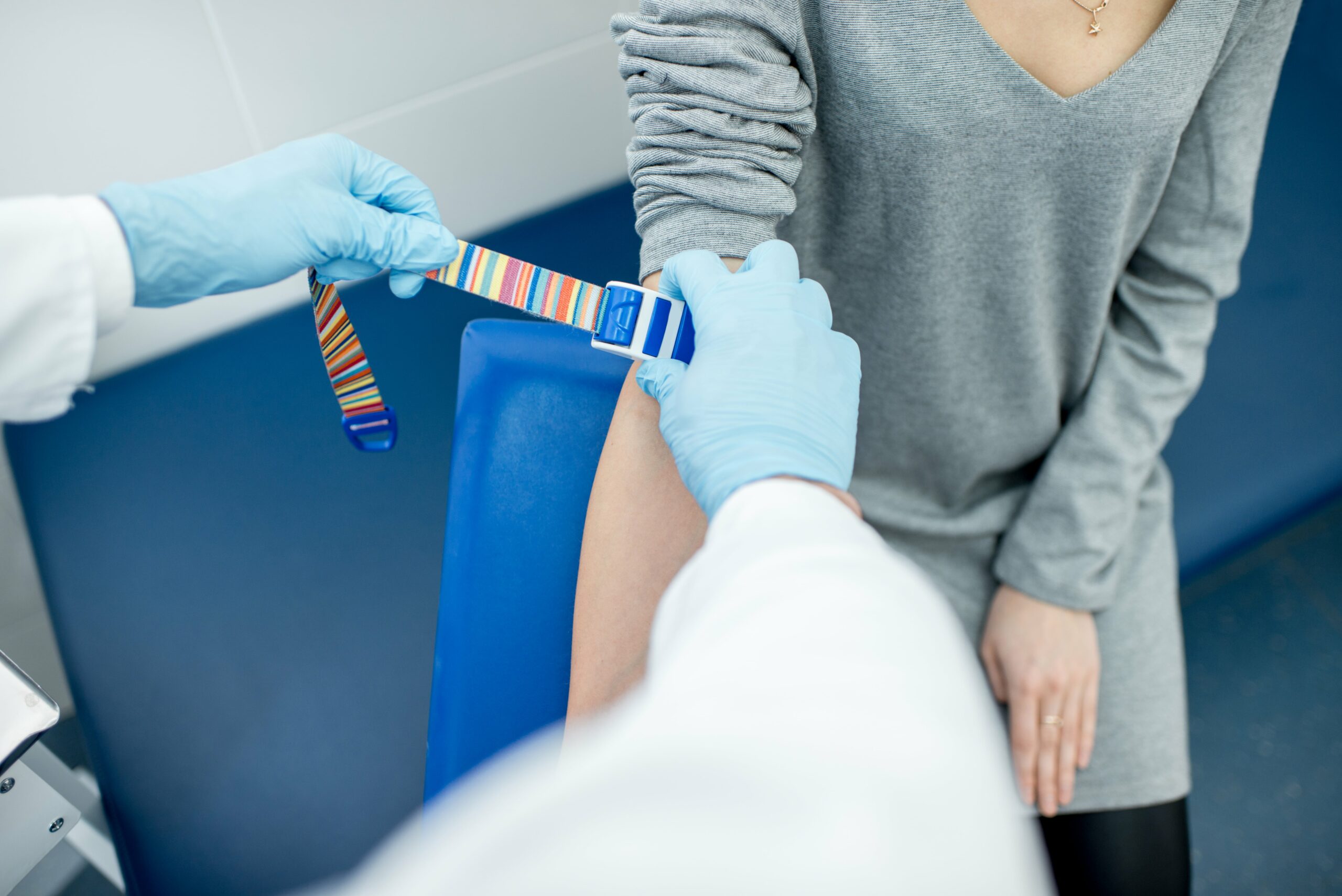
Treating Minor Injuries on Yourself
If you discover yourself injured while cooking or performing home repair work:
- Stay calm; stressing can aggravate injury severity. Follow basic first-aid procedures like cleaning up the injury thoroughly and using a bandage properly.
Emergencies During Bushfire Season
Bushfire season presents distinct challenges that call for special focus relating to first aid preparedness.
Common Injuries Associated With Bushfires
Smoke inhalation Burn injuries from fires or warm embers Respiratory problems because of bad air qualityWhat To Include In Your Bushfire Preparedness Kit
- N95 masks for respiratory protection Water bottles An emergency blanket
FAQs Regarding First Aid Essentials
What products should I include in my first aid kit?
Answer: Your package needs to include adhesive bandages, antibacterial wipes, gauze pads, scissors, tweezers, pain relievers like advil, allergic reaction medication, a thermostat, burn lotion, elastic bandages, an emergency covering, and CPR encounter shields amongst others.

How do I deal with a nosebleed?
Answer: Tilt your head back a little (though not too far), squeeze your nose just over your nostrils utilizing your thumb and index finger, hold it firmly for about 10 mins till hemorrhaging stops.
Why is it vital to have a mobile emergency treatment kit?
Answer: A portable kit ensures you are prepared for clinical emergencies when far from home-- whether hiking, taking a trip or participating in outside events.
What needs to I do if somebody has a sensitive reaction?
Answer: Call emergency solutions quickly if signs and symptoms are serious; provide antihistamines if appropriate while waiting on specialist help.
How do I carry out mouth-to-mouth resuscitation effectively?
Answer: The standard actions consist of calling emergency situation services initially; then start chest compressions at a rate of 100-- 120 per min adhered to by rescue breaths if trained.
Can I use my home supplies as part of my first aid kit?
Answer: Yes! Many home products can act as reliable first-aid materials-- simply guarantee they're clean and ideal for treating injuries.
Conclusion
Being furnished with the ideal knowledge and products through understanding of First Help Essentials: Essential Family Products for Every Home makes it possible for individuals not only to secure themselves however likewise adds favorably to neighborhood health efforts by fostering awareness around vital treatment practices.
Your commitment to preparing your family will certainly equip you to deal with wellness situations successfully while enhancing cumulative safety within your community context! So take those proactive actions today-- furnish your home suitably-- and remember: understanding is power when it involves conserving lives!